 |
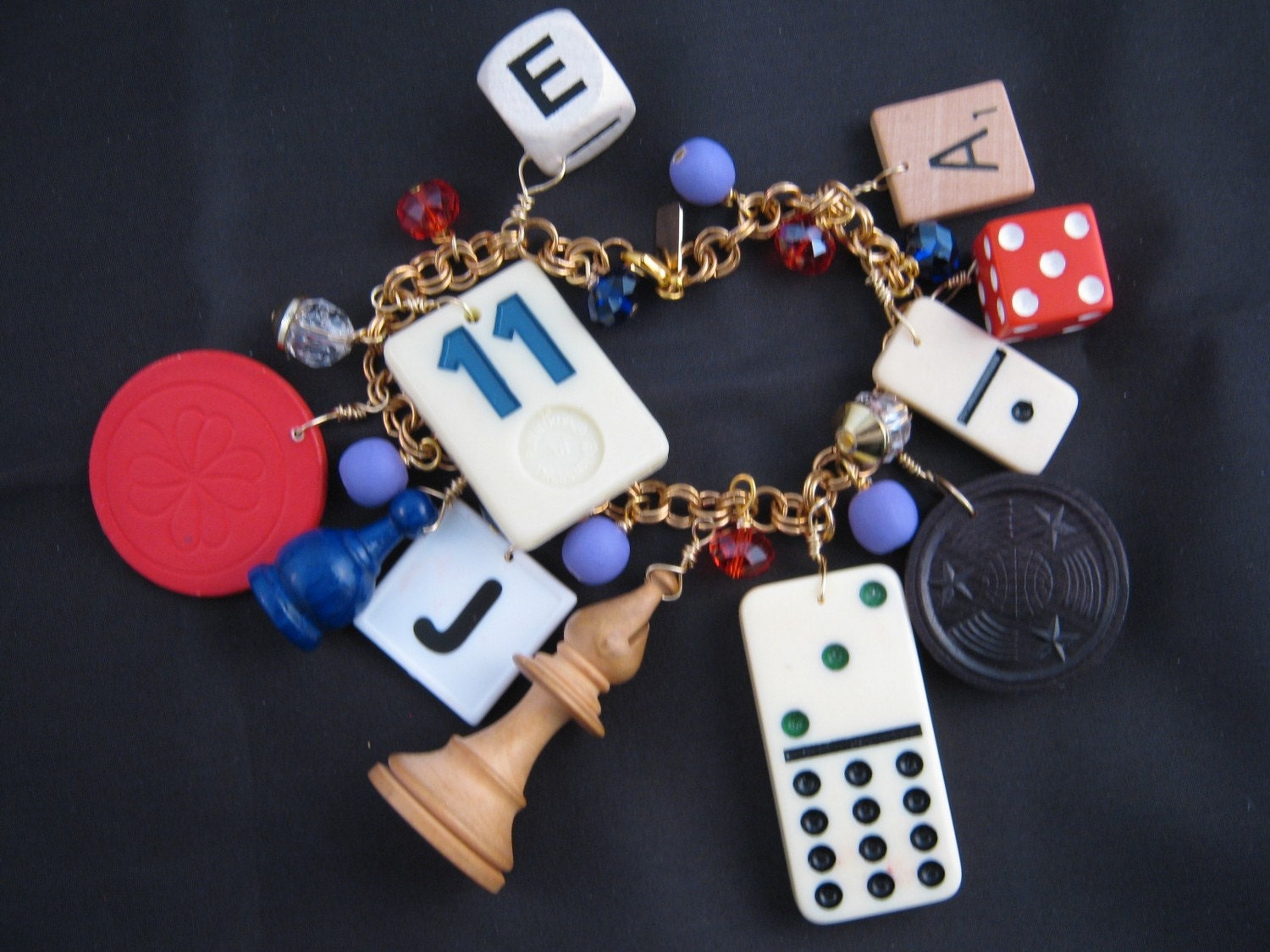
| Charm bracelet by Jennifer Jones Jewelry. |
Jennifer
Jones makes handmade statement jewelry from vintage brooches, pins, buttons, and the occasional Tabasco sauce bottle.
Since she’s my former painting student and friend, we frequently talk shop.
Recently, she’s been telling me that Etsy, the e-commerce website focusing on
handmade craft items, has started allowing the resale of manufactured goods.
Maybe the New York Times can wax
philosophical about the difference between ‘handmade’ and ‘mass-produced’
but we artists understand the difference. It isn’t about the tools and supplies
you use; it’s about personally guiding the work through every step of the
process.
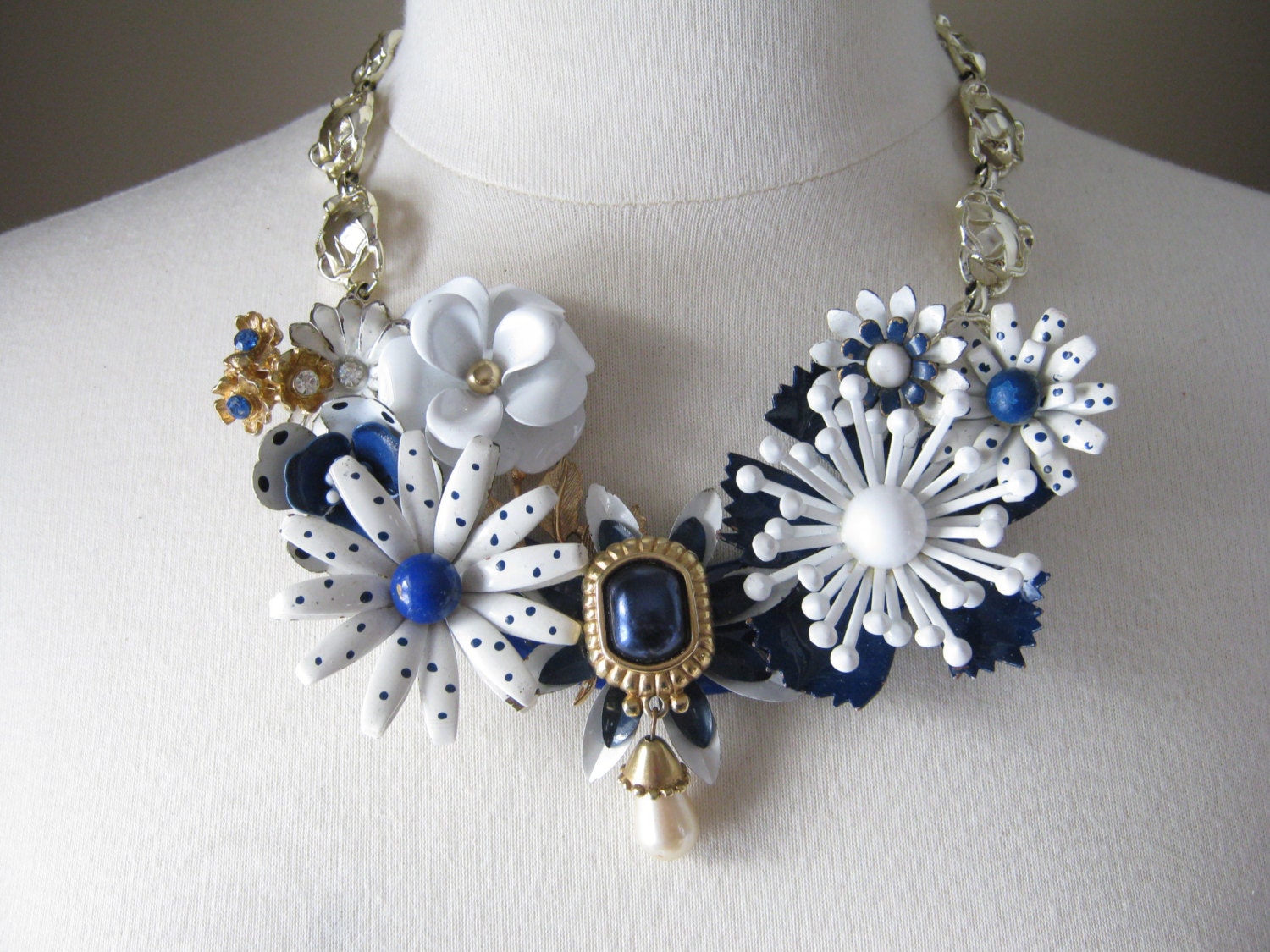 |
| Enamel flower necklace by Jennifer Jones. There is no way to mass-produce an assemblage of this nature. |
If you’ve done time on the art-fair circuit, you know that
allowing manufactured goods is the kiss of death for a venue’s high-end
craftsmen. It adulterates the brand, and it brings in the wrong audience—an audience
which can’t distinguish the craftsmanship of a $500 piece from a mass-produced
$50 copy. Nevertheless, it seems like sooner or later almost every venue succumbs to the temptation.
Freakonomics had this to say about it:
Etsy’s latest move is
entirely in line with the history of handmade goods, a history that is more
complicated than the simple term “handmade” implies. The artisans have run
head-on into the problem that led to the Industrial Revolution: Making things by
hand is slow. Really slow.
That’s kind of missing the point. We don’t live in an age
where the major issue is making more stuff in less time. In fact, we are
flooded in cheap goods. Right now, we Americans can’t compete in the
cheap-goods market. Whether our craft is writing software or creating brilliant
jewelry from castoffs, we are not selling a product but a process, one that
frequently yields arrestingly good results.
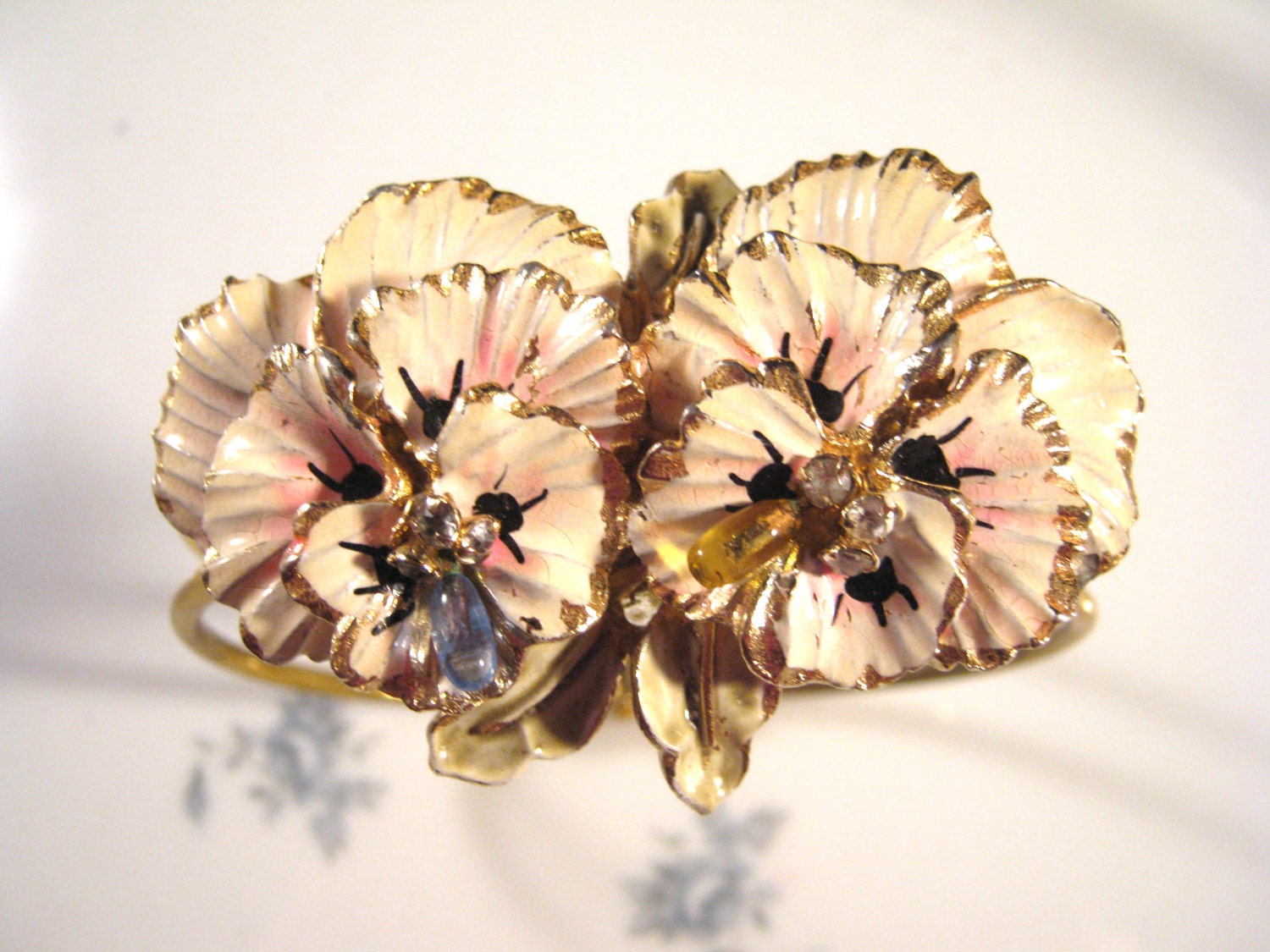 |
| Bracelet cuff made of vintage enameled pansies and some other stuff, by Jennifer Jones. |
I had a designer friend with a unique and locally-popular
line of clothes. She tried to scale it up, and she got lost in the vagaries of
offshore manufacturing. When she was done, she had a product that would have
been at home at Target—in fact, she didn’t even have that, because she was a
rank amateur at the business of international sourcing. She sacrificed what she
did best chasing a mirage, and her product line died completely.
Meanwhile, Jennifer keeps making these one-off items, and her
market is worldwide.
Let me know if you’re interested in painting with me in Maine in 2014 or Rochester at any time. Click here for more information on my Maine workshops!


