 |
Henry Raeburn’s The
Reverend Robert Walker Skating on Duddingston Loch (better known as The
Skating Minister) manages to romanticize
both the landscape and the Scottish character.
|
The rise of Romanticism meant that the Scots were no longer
defined (by themselves or others) as a marginal, occupied people; they were now
dramatic, rugged primitives. What then to do with their landscape, which might
be considered by any objective person as intimidating, cold, dark and empty?
Romanticize it, of course!
 |
The Falls of Clyde
(Corra Linn), by Jacob More (c. 1771)
|
 |
The actual Corra Linn.
Bears a remarkable resemblance to Letchworth, doesn’t it?
|
Alexander Nasmyth (1758-1840) is generally considered the
founder of the Scottish romantic landscape tradition. Trained under Allen Ramsey
as a portrait painter, he abandoned that genre entirely for landscape painting.
The generation of landscape painters that followed popularized the romantic view of
Scotland. These included Horatio McCulloch, William McTaggart, and Joseph
Farquharson. McCullogh’s images of the Scottish highlands, in particular, were
reproduced and displayed in homes throughout Great Britain.
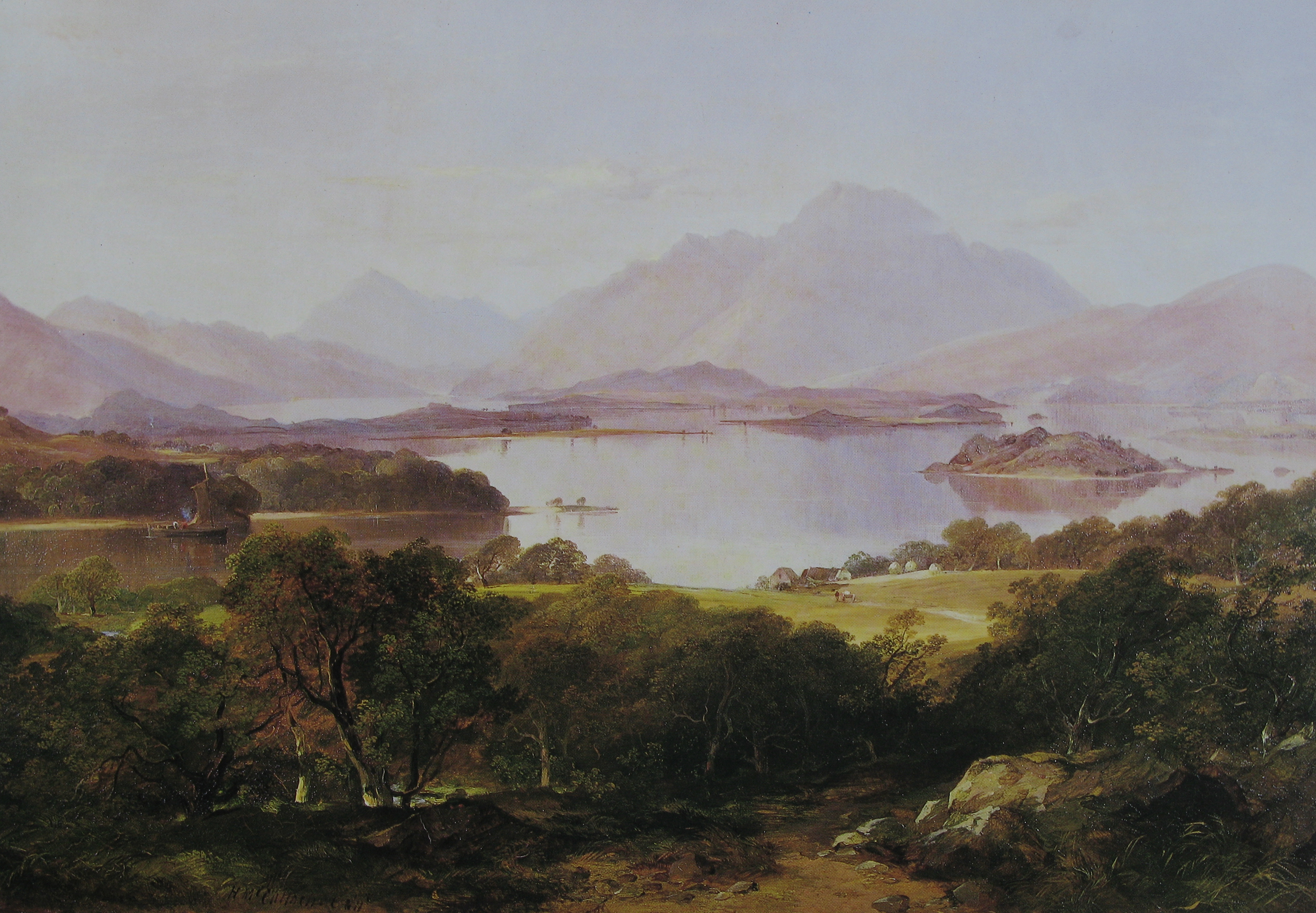 |
Loch Lomond, Horatio
McCulloch, 1861
|
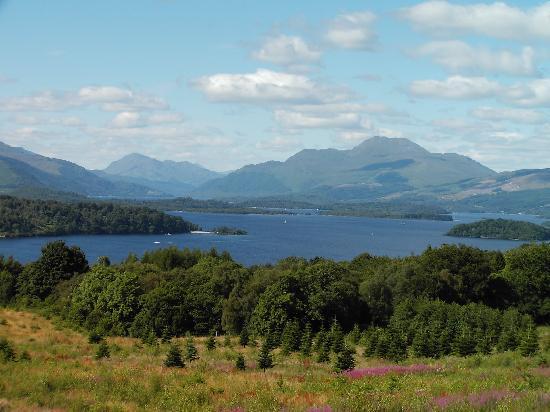 |
The actual Loch
Lomond.
|
When Queen Victoria acquired Balmoral Castle in 1848, she
was operating within a growing fashion for things Scottish. A Scottish Grand Tour
developed, with large numbers of English artists flocking to the Highlands to
paint and draw. A whole series of seashore artists’ colonies developed in Scotland
to cater to that new fad, plein air
painting.
There are obvious aesthetic similarities between the
Scottish romantics and their Hudson River counterparts. There are also ideological
parallels between the Scots, the Canadian Group of Seven and the Australian
Heidelberg School. All three helped define and champion nationalist self-image
and goals. And the gap between what was real and what they painted is well worth considering.
Let me know if you’re
interested in painting with me in Maine in 2014 or Rochester at any time.
Click here for
more information on my Maine workshops!

No comments:
Post a Comment